HELLO and WELCOME to the Office for Soft Interior Design. Please make yourself a home.
Gum wrappers decorate my backpack and my coat pockets. “I have a gum-chewing problem,” I say. Another piece, now two at once. Sweet tooth is such a humorous construction. I love sweets and I also love teeth (cavities; extraction). Tooth grinds minty rubber. Compress and compress and is there any re-inflation at all? Then crumple the wrappers, the translucent papers, the bendy foil. Curled into a little ball, tightly now, looser later. What is it to decorate something that can’t be seen? To adorn the inside? Like a love that is nurtured and never allowed to be expressed. Maybe that is a reflective bit of bendy foil, too. Or maybe it is just being crumpled.

I think it’s true that I never really understood gratitude until the Prozac Era (c. 2018 CE-present). I never really felt it in the most internal parts of my body. As a seeping. As a shaky inhale coating the shiny stalactites in my chest. If you could become any object at all, wouldn’t you desire to be a sweater? Is there any more effective way to be thankful for the world (that miserable little thing!) than to hold someone, such as yourself, in expandable webs of fiber?
There are a few things that I have learned from my mother. The first, the names of the plants in our garden. Second, how to be, etc. Third, how to distinguish between the textures of different types of yarn and textiles. My relationship to material was (re)gifted to me by my mother and to hers and to all the women who carefully metabolized this embodied knowledge. When I think of inheritance I think of knitting. The same when I think of my failures.
Anything I knit is an index of dropped stitches, forgotten techniques, frayed edges. And yet, while Sedgwick tells us that texxture is history (1), Robertson tells us that “if the idea of internal structure could be temporally expressed as the past perfect, the idea of the surface would be the future conditional” (2). For Robertson, the surface is the space of expansion and infraction and collision to come. Among the gaps and curves of each stitch (knit purl knit purl knit), might there be room for all? Our collective pasts and futurities interwoven in the space around. Catalogued in skin. I am falling into the trap of sentimentality but I (think) I do not care.
The neck is perhaps the most intimate part of the body (asphyxiation). I think that’s why I dearly love turtlenecks and scarves. They wrap, they contain, and yet they bear their scars of having been created so distinctly, so delicately. “Ornament indexed a history of applied material and manual technique” (3). Each bump a mark of the hand, of energy, of Emotion with a big ole capital E.
My grandma knitted me a scarf in thick merino wool, the expensive kind. It is too short and sometimes difficult to coil around my neck. The last time I wore it, it shed miniature fibers (cream, blue, yellow) on the breast of my navy jacket, a residue I brushed away into teeny, disaggregated clouds. You could not see it, but clinging to those little fibers of wool (cream, blue, yellow) were particles of oil from my grandmother’s hands. And do you know those detergent commercials? Well, encapsulated within those particles of oil were things like Knowledge and Love and Skill and every other thing you might want to carry around on the breast of your navy jacket. So really, then, I had encountered a moment to be disintegrated by gratitude. Please, I scream, I want to be incinerated by love.
Eczema patterns my skin with bumps and scabs. Once– a few days ago –I wondered, is scabbing just darning, but for skin? If I had a tear in a navy jacket I would choose a red thread to repair it (obsession with hypervisibility). I pick my scabs until the tissue is tender and pink and puffy and there is nothing left to pick. There is eczema behind my ears and under my arms. It is hidden behind hair. “My B.O. smells like weed. Do you like the smell?” I asked him. Sometimes people laugh when they don’t understand that we are serious. That we mean business for fucksake! I stopped shaving my underarms because it was too painful and my mother says she’ll always support me but that it’s unhygienic and not that it doesn’t look cute (’cause it does!) but it’s just that it traps the scent. And I say that I love my self because I’m way too scared not to. Each time I show you my insides, the sludgy ugliness that coats them, that is me, I feel like I am going to die. Crush me how can I scream loud enough and silent enough at once to make this ugliness into something, a sound, the lack of a sound. I am too ugly to be saved, even by me, especially by you.
In How to Colour,” Lisa Robertson writes, “We could say juice, or pigment, to indicate that aspect of substance that travels across. Such juice is always psychotropic. It translates mentalities” (4). And so we learn that spilling is communicating to her. Affectual gaps are bridged fluidly. As a seeping. Through a staining. By way of color.
The Office for Soft Interior Design would like to posit that affect is not only transferred as juice, but also sometimes as little objects, perhaps figurines of gnomes or Madonnas with headless babies. This is because she has anxiety and exhilaration. Emotion can also be transplanted in the form of hard pebbly lumps– perhaps wrapped like a gift in thin brown tissue –extracted from one body and inserted into another, into which it disappears, ornamenting your insides, but for a slight protrusion on the surface, a change of the skin’s texture, convexity, and topography. Like a pimple just under the skin. Waiting always. Painful often.
Robertson continues, “Artifice is the disrespect of the propriety of borders. Emotion results. The potent surface leans into dissolution and disrupts volition–it’s not a secluding membrane or limit. To experience change, we submit ourselves to the affective potential of the surface. This is the pharmakon: an indiscrete threshold where our bodies exchange information with an environment” (5). Google says “pharmakon” means remedy, poison, and scapegoat. Like how you desire something that can crush you into bits of sand that get in cuts? Surfaces are always touching, never not feeling. This is how we transform, whether or not we wish to.
The Office for Soft Interior Design likes very much to think this way about artifice. Fashion is irresponsible in many more ways than one. One could say that style is even worse. Fuck practicality. The unicorn necklace you bought at CVS was important even before it made your students love you. Wearing shoes that are difficult to walk in (the neon ones stretched out by abnormally large feet) is doing the lord’s work. If you try to force your minimalism upon me I will scream and out will come a thousand-foot-long silk scarf in horrible shades of bright purple. And guess what? It’s bedazzled.
This is not to say that the emotion bits are always intact and smooth– which is not to say, textureless; Renu Bora will remind us through Eve Sedgwick that “‘smoothness is both a type of texture and texture’s other’ (99)” (6). Nothing is intact; you know this already. Sometimes these bits are crumbled. Sometimes they are that piece of graphite your sister got stuck in her hand in second grade and the skin just grew over it, entrapping it forever so you can still see a faint bit of gray. Sometimes they are grains or dust or “speaking, ambulatory dirt” (7) that feel like the sand you get in a scrape when you fell off your bike in 2004. And then the scab grows right over it if you don’t wash it with soap and warm water. And your body thinks it’s healing and it is healing but perhaps it’s also in denial that things are different now and they probably will continue to be, that your sheets of skin have incorporated all new matter into their weave. Then again, your body is undeniably smarter than you. And I should say that even if you do rinse with soap and warm water you will never get all the grains of dirt out of your scrape. Alas, I’m not that naïve.
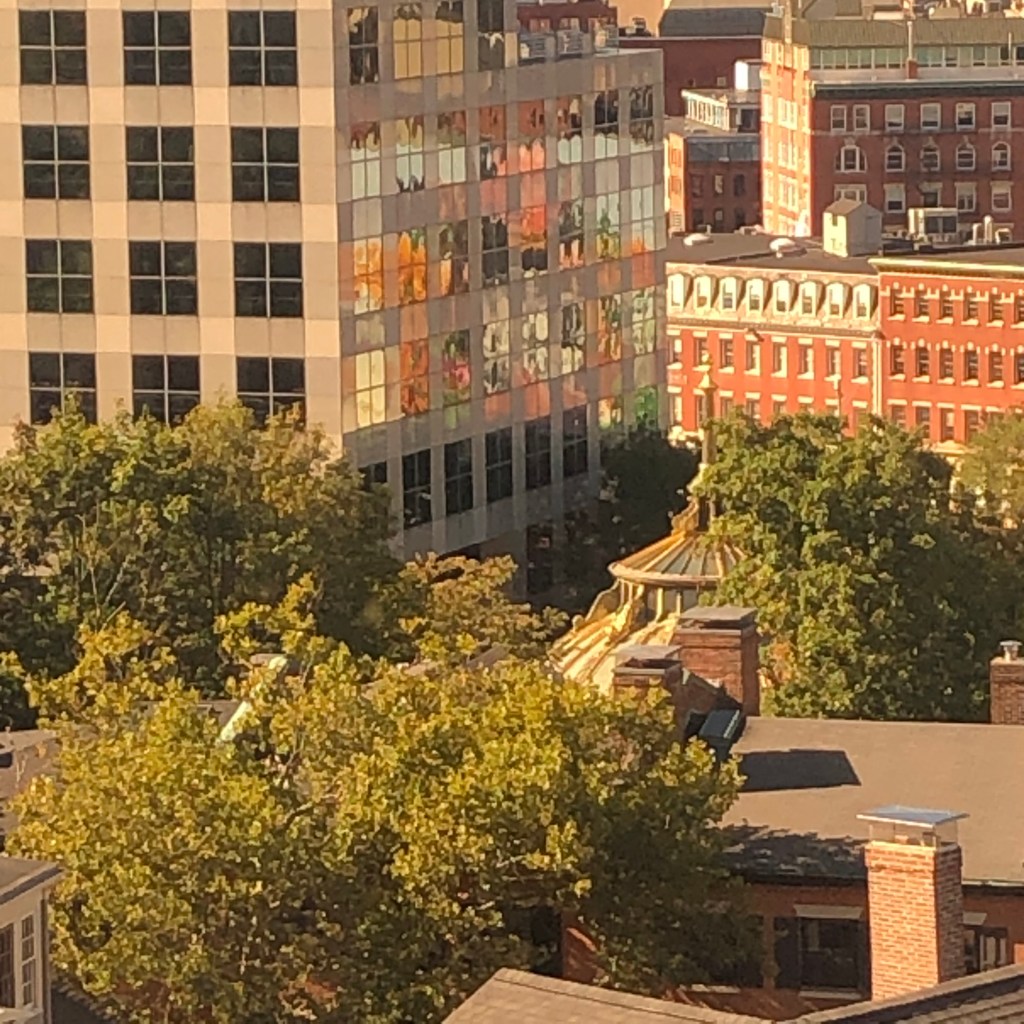
Last night I walked by a window that halted me momentarily. Or it was not so much the window, as what it held within it. And what it was holding within it was a pink, filmy cloud. Of light and of fabric and of something different altogether and maybe made of both. A square of still pink in a field of brick, but I am not very interested in two dimensional shapes or two dimensional people. The glass pane is fragile, inconsequent. It has already shattered. Despite its transparency, the curtain is unbearably opaque. You could tear it with one pinkie fingernail but never pass through. For the love of god, please tell me what it is that you want. I can’t bear my need to see through. To touch the pinkness inside but never actually.
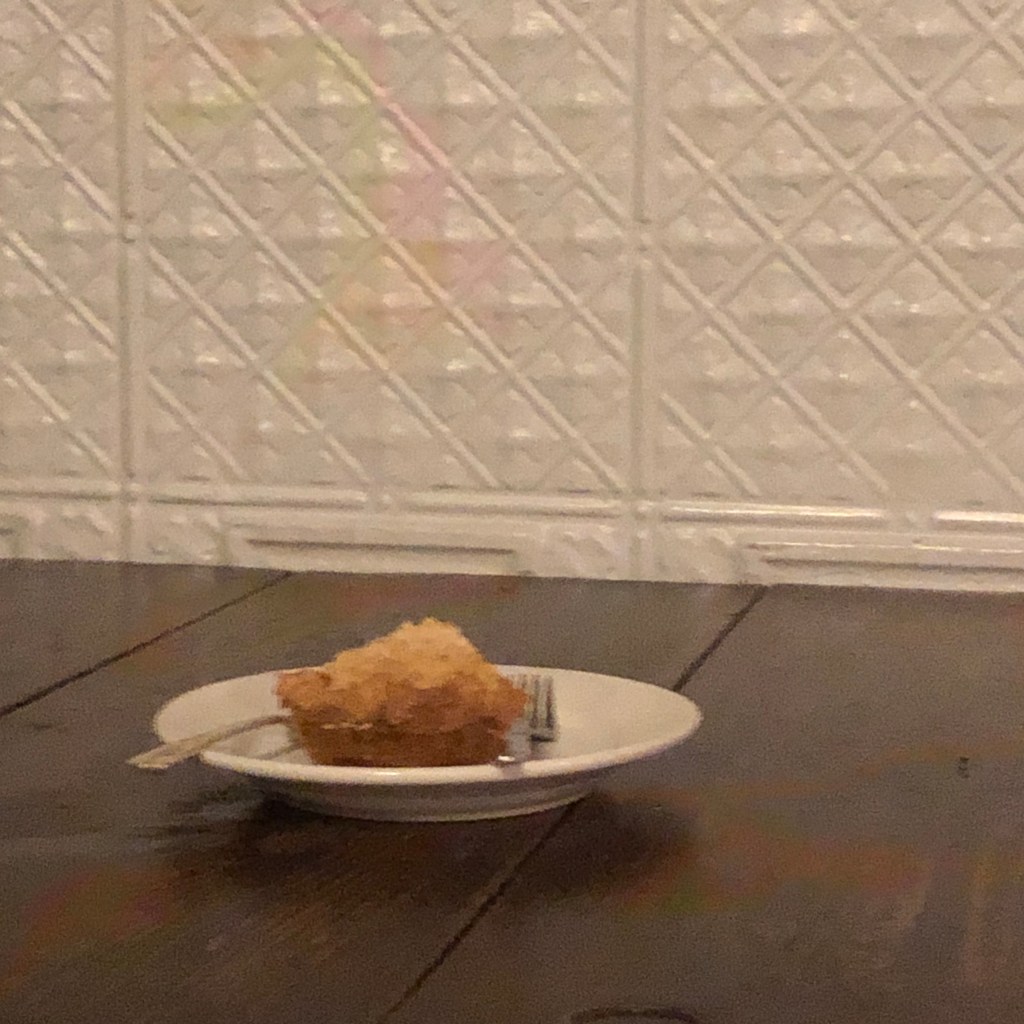
To me, every window is based on one of the windows from a witch’s house in Salem. I spent my loneliest day there with the dead witches and the tourists, burrowing into my hideousness and self-indulgence, looking in and then out, cutting the world into four even pieces like four rectangular wedges of Wayne Thiebaud cake in a storefront case.
If this window was divided into panes, I did not notice it. If there was someone inside, I couldn’t tell. If she papered her walls with a minuscule history, I wasn’t sure. If she had swallowed an orange candy and it was resting in her belly like a little ball of light and sugaring everything around it and she felt exactly three things at once then I frankly just don’t know.
If I undressed in front of the mirror, slowly, I would see how the different fabrics unenfold and unfold and fold and fall and crumple. Thick wool undefined with hair attached. Crisp poplin float and flat. I know that I should not think about my own salvation. And I also know that I am not a mosaic formed of your thoughts; I am a nineteen year old girl in a nineteen year old body, as much as I hate to admit it. For a little while longer, I will nurture this blind rage that is swaddled inside me and pressing on my chest and punching at my stomach. Just for a little while longer I will.
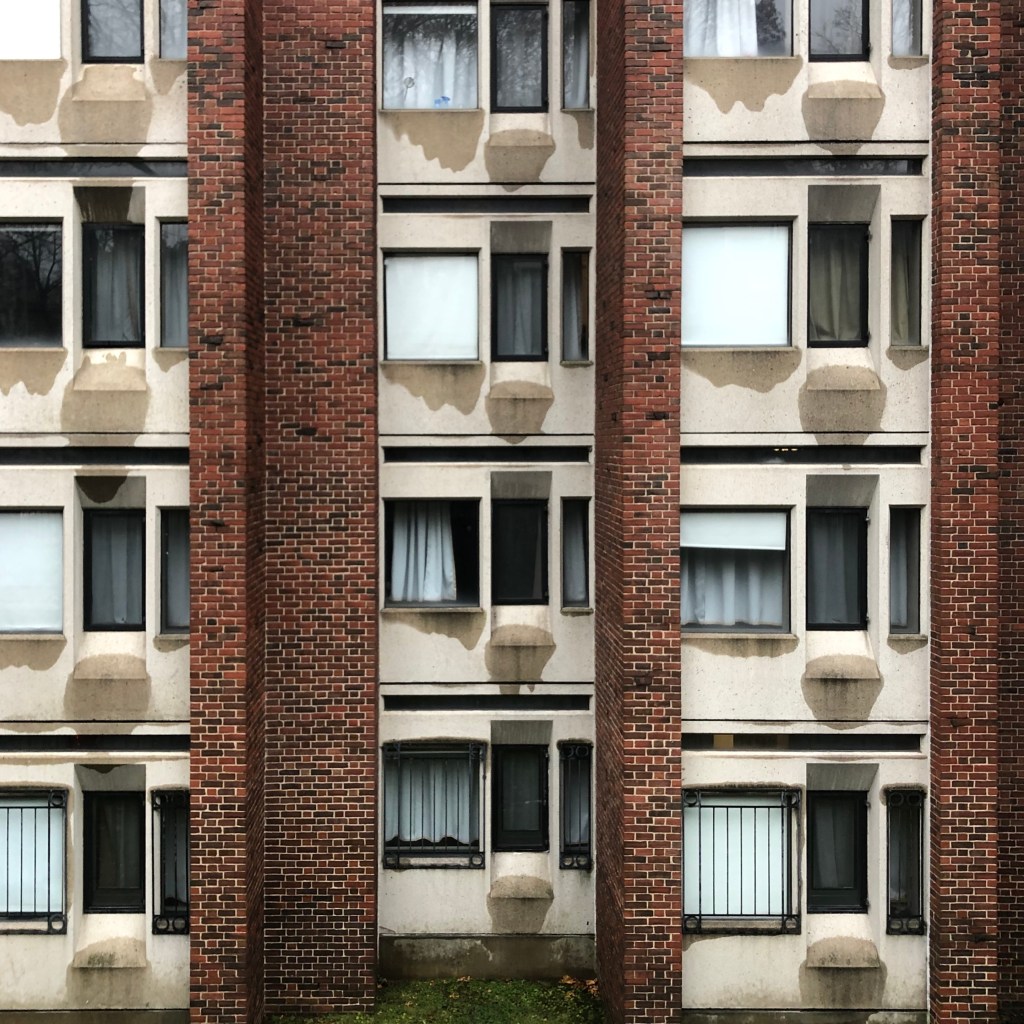
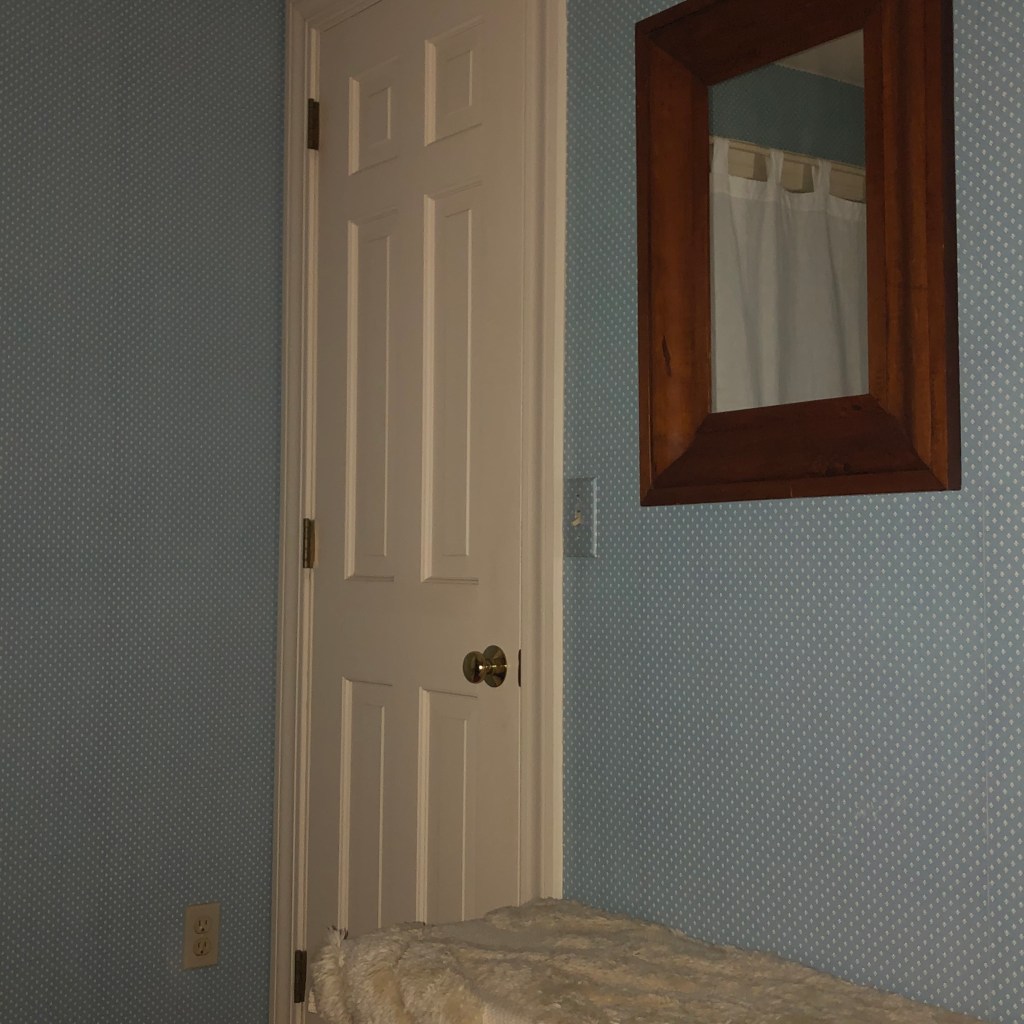
Some days I want things. Like, for example, right now I want to be “as embroidered as underwear (sex) or a doily (eating)”(8). It’s hardly worth saying aloud that underwear forms a very permeable boundary; the obviousness makes me blush. Especially if it’s thin and filmy. Especially if it has ribbons and/or a velvet bow. Especially gathers and pleats. Especially a lettuce edge. During the Civil War, I remember, women spies carried secret notes in their hoop skirts and undergarments. Secrets ! Pussy ! Intrigue ! War ! If I had to choose a masculinist fantasy, it would most likely be this one.
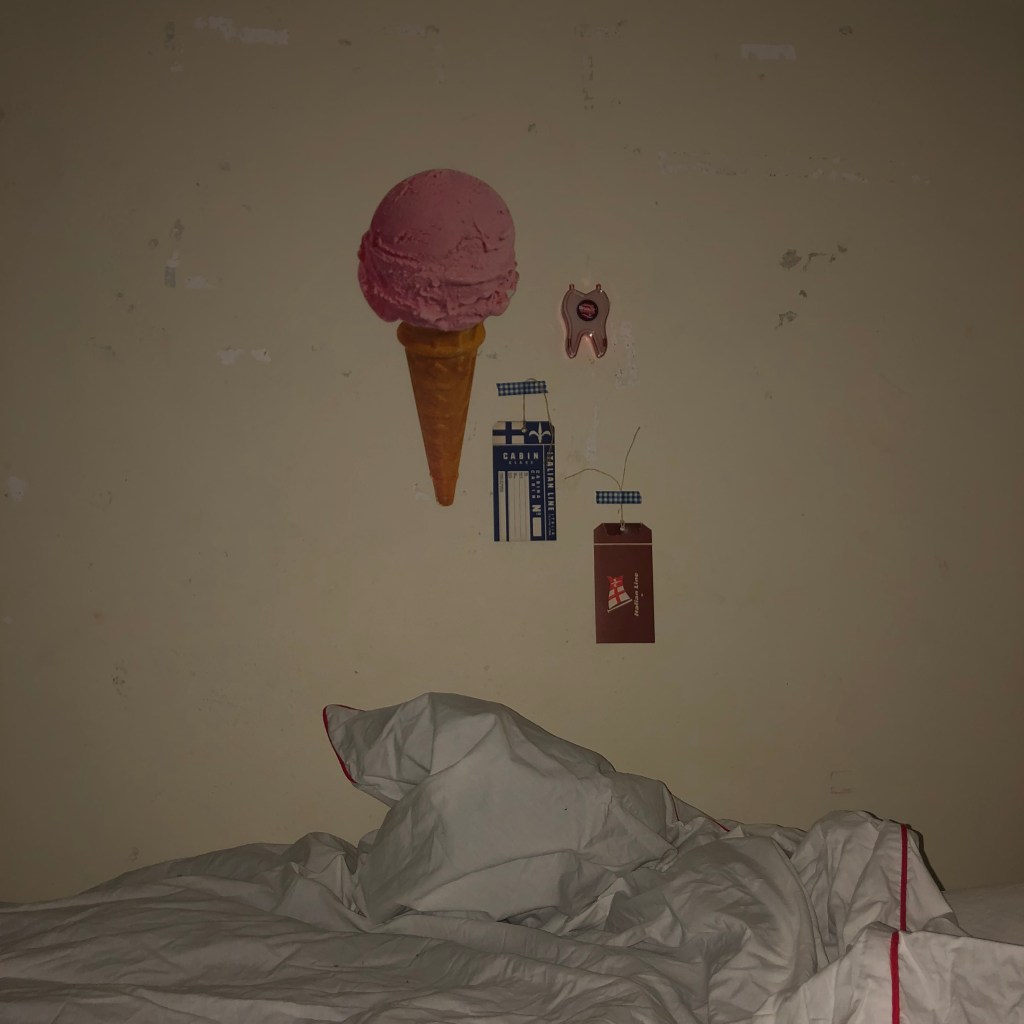
My underwear decorate my floor in a dainty sprawl. On the floor, on a chair’s arm. In the university building, a big red box says, “AS BUILT DRAWINGS.” This is what I mean by soft interiors. I long for the days when I felt a room could be all mine, that the texture of its tacked and taped walls denoted a me. That that candy wrapper there really meant something. That that drawing of cake was important. Not just that it was an expression of me, but that it contained me. That I existed embedded within the surface of these walls and the bits of paper and plastic that populated them with time and studded them with a minuscule history. If you had asked me what is it that I remember, this is what I would have said:
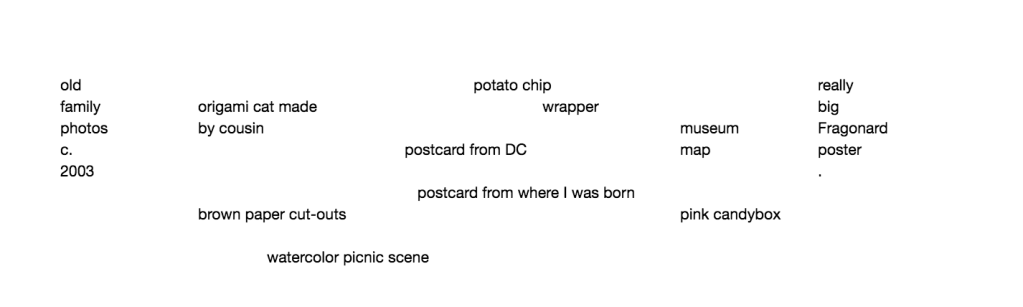
If you had asked me what I wanted, I would have plucked the foil from the oversized chocolate coin off the wall and looked into your eyes as it slid into the trash can (melodrama). If I had tried to tell you what I felt, I would have held a paper doll very close to my chest and closed my eyes for a moment before I stuck her to the wall. I love you, but I mean it when I say that I will always love things more.
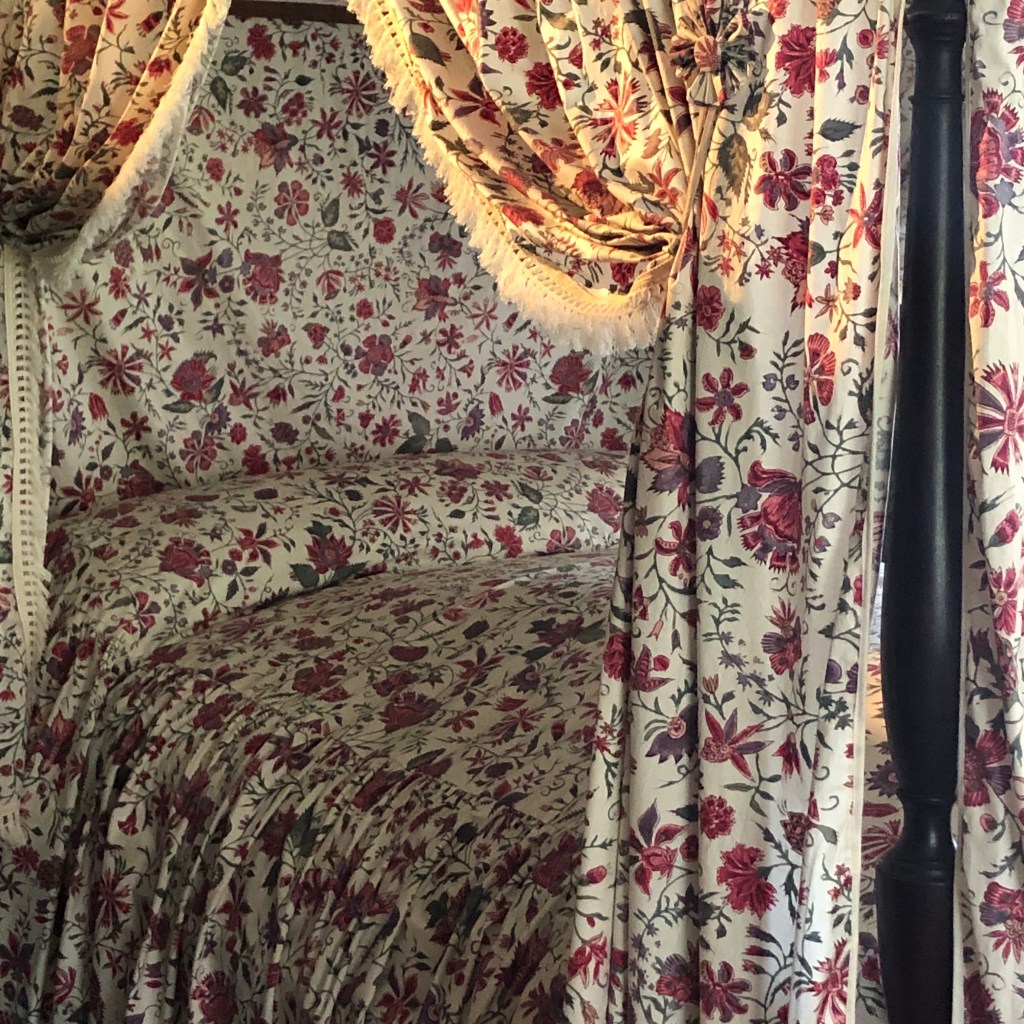
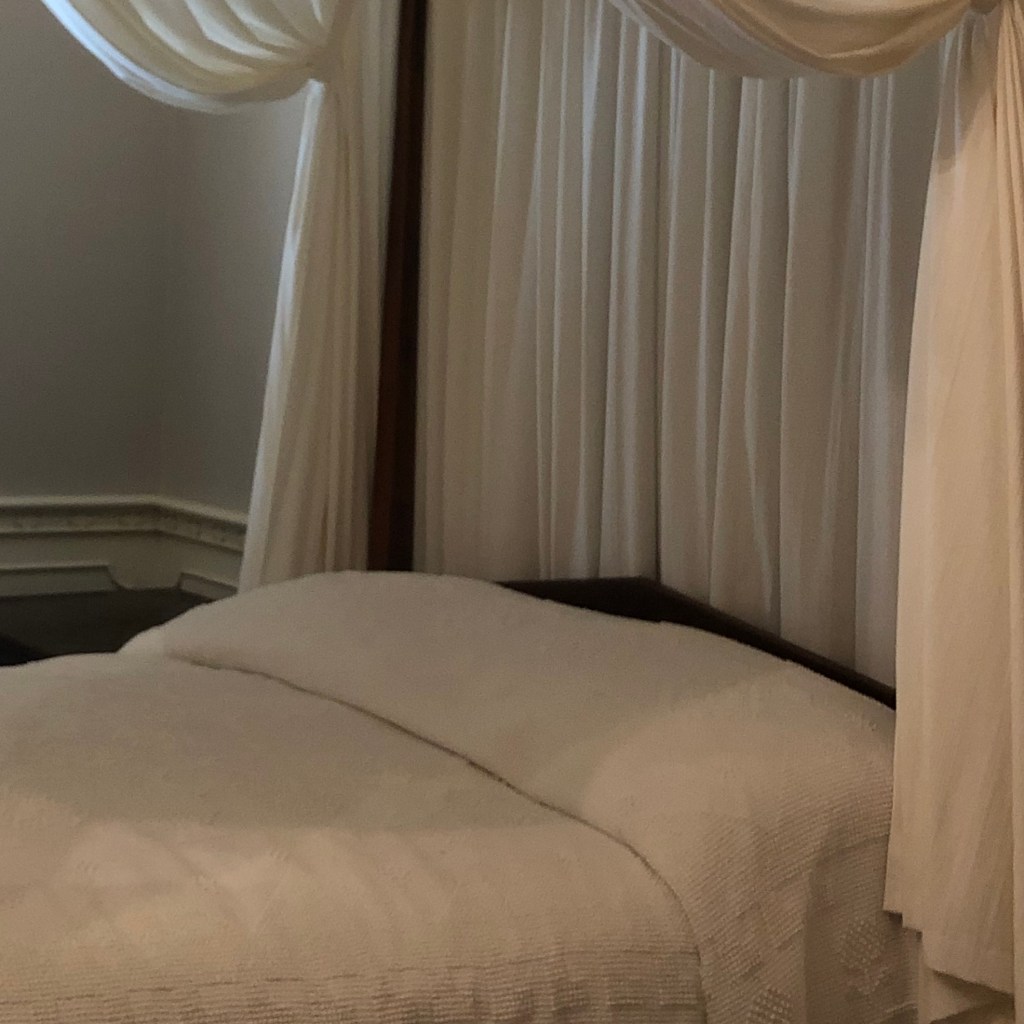
Three Questions of Questionable Import:
- Do you know how Amélie cracks the top of a creme brûlée with the side of a spoon?
- Is it possible to see the shrink-wrapped top of a bubble tea as anything other than penetrative sex? Similarly, is an umbrella a condom? Does it make me look like Mary Poppins?
- Imagine a speck of dust caught on a sticky patch of skin. Now imagine how that dust might feel (to you). Now puncture the wrinkled skin on the top of a pot of boiled milk. Cry extravagantly and go to bed.


Robertson writes that, during some war, Napoleon’s troops were clothed in blood-stained never-white. She writes of pigment trace-making, of the hypervisibility of trauma, of transgression, of boundaries crossed and punctured and disintegrated. Whiteness, she says, “Like the whitewashed mirage of an army, … dissolves when approached and the redundancy of mortal pigment emerges, shot through with sullied fragments” (9). Whiteness is undeniably fragile. “But affect can’t be controlled,” Robertson says. “White proposes a disciplinary unity and it always fails. It already submits to pigment and chance…Colour marks exchange. It is border-work. Mixture is our calling” (10).
The Office for Soft Interior Design is unsure of how to feel and express these feelings. Frankly, she is sometimes terrified by the tyranny of affect in Robertson’s model. She would prefer to think of affect as an act of pouring into, rather than a happenstance of spilling upon. This is likely because she is uncomfortable with her own desire for submission and fear of chance. The gnomes and the graphite are truthfully and simply a refusal of this randomness, a desire to make this border-work structured, parcelable. Affect renders us vulnerable and pliable. But, at the same time, bodies make themselves soft, accepting and receiving and opening up to, with or without preconception and intention.
You see, one day you might wake up and realize your white sheets have been ornamented with blood (history). Maybe in one spot or maybe they’re spotted. And maybe along the edge of your underwear too. And maybe a sticky feeling on your skin. You didn’t want this to happen and you’re not particularly grateful for it but your body did that and your sheets absorbed it and some process which, sure, you’re not all that aware of made this happen. And the other night the same thing happened. And what did you do to stop it? You could have tried, but you didn’t. And these stains probably won’t come out, but that’s okay. And because you’re a white feminist you hate that you’re writing about period blood but you don’t hate it enough to delete it, to just press and hold the delete key, which would be really easy. There are things you do to control this dyeing process and they clearly haven’t worked just now, but still you stubbornly refuse to believe that juice holds all the agency here. Because you will fight against your feelings– and theirs too –until they are tender and pink and puffy and there is nothing left to pick.
(1) Sedgwick, Touching Feeling, 14.
(2) Robertson, Occasional Work and Seven Walks from the Office for Soft Architecture, 128.
(3) Robertson, Occasional Work and Seven Walks from the Office for Soft Architecture, 127.
(4) Robertson, Occasional Work and Seven Walks from the Office for Soft Architecture, 123.
(5) Robertson, Occasional Work and Seven Walks from the Office for Soft Architecture, 123.
(6) Sedgwick, Touching Feeling, 14.
(7) Robertson, Occasional Work and Seven Walks from the Office for Soft Architecture, 123.
(8) O’Doherty, Inside the White Cube, 66.
(9) Robertson, Occasional Work and Seven Walks from the Office for Soft Architecture, 123.
(10) Robertson, Occasional Work and Seven Walks from the Office for Soft Architecture, 121.
 The Office for Soft Interior Design